15 Essential Home Documents You Should Keep (And How to Organize Them)
Know which home documents to save, how long to keep them, and the best ways to organize everything for easy access.
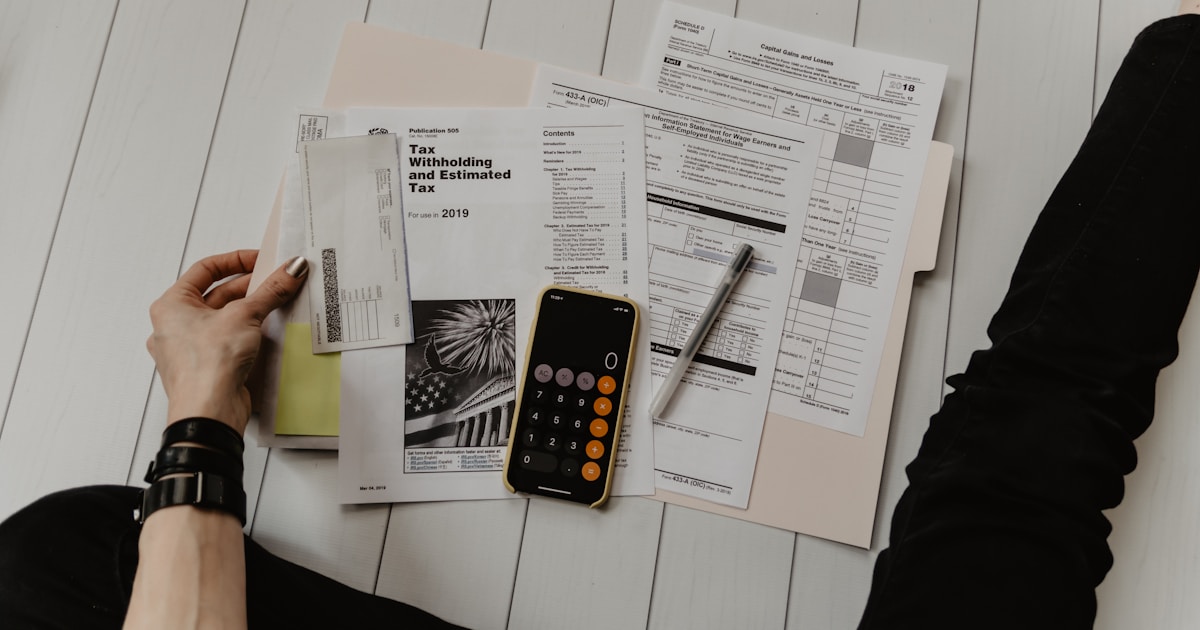
Between closing papers, warranties, tax records, and insurance documents, homeownership generates a lot of paperwork. Here’s what to keep, what to toss, and how to stay organized.
Must-Keep Documents
1. Deed
What it is: Proves you own your property Keep for: Permanently (until you sell) Storage: Physical original in safe place + digital backup
2. Title Insurance Policy
What it is: Protects against ownership disputes Keep for: As long as you own the property Storage: Physical and digital
3. Survey
What it is: Shows property boundaries and dimensions Keep for: Permanently Storage: Useful for fence projects, disputes, and selling
4. Home Inspection Report
What it is: Condition assessment at purchase Keep for: As long as you own the property Storage: Great reference for maintenance priorities
5. Closing Documents
What it is: HUD-1 settlement statement, loan documents Keep for: 7 years after selling (tax purposes) Storage: Digital is fine for most; keep key originals
6. Homeowners Insurance Policy
What it is: Current coverage details Keep for: Current policy + 3 years of old policies Storage: Digital for accessibility
7. Mortgage Documents
What it is: Loan terms, payment info Keep for: Duration of loan + 7 years Storage: Digital backup essential
8. Property Tax Records
What it is: Payment history and assessments Keep for: 7 years Storage: Digital for tax preparation
9. HOA Documents
What it is: Rules, fees, meeting minutes Keep for: Duration of ownership Storage: Current rules accessible; archive old versions
10. Warranties
What it is: Appliance and system coverage Keep for: Until warranty expires Storage: Digital with expiration reminders
11. Appliance Manuals
What it is: Operating instructions, specifications Keep for: As long as you own the appliance Storage: Digital—most are available online
12. Purchase Receipts
What it is: Proof of purchase for warranty claims Keep for: Duration of warranty + possible insurance claims Storage: Digital copies immediately after purchase
13. Home Improvement Records
What it is: Permits, contracts, receipts Keep for: As long as you own + affects cost basis Storage: Essential for selling and taxes
14. Service Records
What it is: HVAC service, repairs, inspections Keep for: 3-5 years minimum Storage: Digital with dates and provider info
15. Utility Account Information
What it is: Account numbers, contact info Keep for: Current info readily accessible Storage: Digital for quick reference
How Long to Keep Documents
| Document Type | Retention Period |
|---|---|
| Tax-related | 7 years |
| Property records | Until sale + 7 years |
| Warranties | Until expiration |
| Insurance policies | Current + 3 years |
| Improvement records | Until sale |
| Service records | 3-5 years |
| Manuals | While you own item |
Best Organization Systems
Option 1: Home Management App (Recommended)
Apps like Dib provide:
- Document storage linked to specific items
- Automatic warranty expiration tracking
- AI extraction of key information
- Search across all documents
- Cloud backup
Option 2: Cloud Storage
Google Drive, Dropbox, or iCloud with organized folders:
Home Documents/
├── Property/
├── Insurance/
├── Appliances/
│   ├── Kitchen/
│   ├── HVAC/
│   └── Laundry/
├── Improvements/
└── Tax Records/
Option 3: Hybrid
Physical originals for critical documents (deed, title) in a fireproof safe, with digital copies of everything in the cloud.
Document Organization Tips
- Scan immediately — Don’t let paper pile up
- Name files clearly — Date_Item_Type format
- Set expiration reminders — Don’t miss warranty coverage
- Back up regularly — Cloud storage is your friend
- Review annually — Purge expired documents
Get Started
If you’re starting from scratch:
- Gather all your current documents
- Sort into categories (property, appliances, etc.)
- Scan/photograph everything
- Upload to your chosen system
- Set up a routine for new documents
A purpose-built app like Dib makes this process much faster—especially the part where you never have to figure out organization from scratch.

Try Dib
The AI-powered home management app we built. It remembers everything so you don't have to.
- AI-powered inventory scanning
- Automatic maintenance reminders
- Document storage & extraction
- Vehicle tracking
- Emergency preparedness
Related Articles
Stop Losing Money: How to Track Appliance Warranties
Never miss a warranty claim again. Learn how to organize, track, and actually use your appliance and product warranties.

Garage Organization on a Budget: Reclaim Your Space
Transform your cluttered garage into an organized workshop and storage space. Practical DIY solutions that won't break the bank.

Downsizing Checklist: How to Inventory Your Life Before Moving Smaller
Downsizing your home? Learn how to inventory everything you own, decide what to keep, and make the transition easier with this complete guide.
Found this helpful?
Get more home management tips and guides delivered to your inbox.
No spam, ever. Unsubscribe anytime.