10 Weekend DIY Projects Any Homeowner Can Tackle
Satisfying home improvement projects you can complete in a weekend, even with minimal experience. Includes time estimates, costs, and step-by-step overviews.
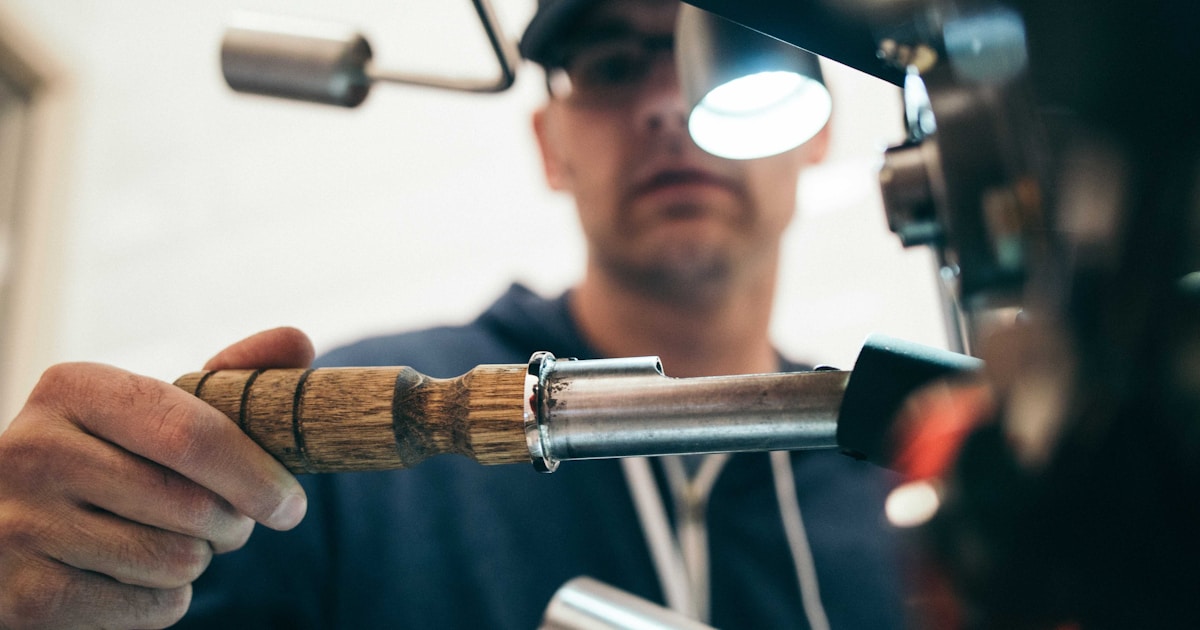
Looking for a productive weekend? These projects deliver visible results, build your skills, and don’t require professional expertise. Start with something manageable and work your way up.
1. Paint an Accent Wall
Time: 3-5 hours | Cost: $30-60 | Skill Level: Beginner
A single painted accent wall transforms a room without the commitment of painting everything.
What you’ll need:
- Paint (1 gallon covers ~400 sq ft)
- Painter’s tape
- Roller and tray
- Brush for edges
- Drop cloths
Tips for success:
- Clean the wall and fill any holes first
- Use painter’s tape at edges and ceiling
- Apply two thin coats rather than one thick coat
- Remove tape while paint is still slightly wet
2. Install a Smart Thermostat
Time: 30-60 minutes | Cost: $100-250 | Skill Level: Beginner
Save money on energy bills and gain control from your phone. Most smart thermostats are designed for DIY installation.
What you’ll need:
- Smart thermostat
- Screwdriver
- Your phone
Tips for success:
- Take a photo of your current wiring before disconnecting
- Check compatibility with your HVAC system before buying
- Label wires with tape as you remove them
- Test heating and cooling after installation
3. Replace Cabinet Hardware
Time: 1-3 hours | Cost: $50-200 | Skill Level: Beginner
New knobs and pulls make kitchen or bathroom cabinets look surprisingly fresh.
What you’ll need:
- New hardware
- Screwdriver or drill
- Template for consistent placement (if drilling new holes)
- Wood filler (if old holes don’t match)
Tips for success:
- Count your cabinets and drawers before shopping
- Measure hole spacing on existing hardware
- If drilling new holes, use a template for consistency
- Fill old holes with wood filler if they’ll be visible
4. Add Under-Cabinet Lighting
Time: 2-4 hours | Cost: $40-150 | Skill Level: Beginner
LED strip lights under kitchen cabinets add ambiance and make cooking easier.
What you’ll need:
- LED light strips (plug-in type is easiest)
- Measuring tape
- Adhesive clips or strips
- Extension cord or outlet nearby
Tips for success:
- Measure cabinet undersides to determine length needed
- Choose warm white (2700-3000K) for a cozy feel
- Mount lights toward the front edge to avoid shadows
- Consider motion-sensor or app-controlled options
5. Build a Simple Garden Bed
Time: 3-5 hours | Cost: $50-150 | Skill Level: Beginner
Raised beds make gardening easier and look great. A basic 4x4 or 4x8 bed is a perfect first woodworking project.
What you’ll need:
- Cedar or treated lumber (2x10 or 2x12)
- Exterior screws
- Drill
- Level
- Landscape fabric (optional)
- Soil
Tips for success:
- Cedar resists rot naturally; treated lumber is cheaper
- Pre-drill to prevent splitting
- Place on level ground or level the area first
- Fill with garden mix (topsoil + compost)
6. Install a Ceiling Fan
Time: 2-3 hours | Cost: $80-300 (fan) | Skill Level: Intermediate
Replace a light fixture with a ceiling fan for year-round comfort. More involved than a simple light swap, but very doable.
What you’ll need:
- Ceiling fan
- Fan-rated electrical box (if replacing light fixture)
- Screwdriver and wire strippers
- A helper for holding the fan
Tips for success:
- Verify your ceiling box is rated for fans (they’re heavier than lights)
- Turn off power at the breaker, not just the switch
- Follow the wire color codes in your fan’s instructions
- Have someone hold the fan body while you connect wires
7. Create a Gallery Wall
Time: 2-4 hours | Cost: $50-200 | Skill Level: Beginner
A curated collection of frames and artwork makes a statement without painting or permanent changes.
What you’ll need:
- Frames (odd numbers work best: 5, 7, 9)
- Picture hooks or command strips
- Level
- Painter’s tape
- Paper for planning
Tips for success:
- Cut paper templates the size of each frame
- Tape templates to the wall to plan arrangement
- Start with the center piece and work outward
- Mix frame sizes and orientations for visual interest
8. Weather-Strip Doors and Windows
Time: 2-4 hours | Cost: $20-50 | Skill Level: Beginner
Stop drafts and reduce energy bills. This unsexy project pays for itself quickly.
What you’ll need:
- Weather stripping (foam, V-strip, or door sweeps)
- Measuring tape
- Scissors or utility knife
- Cleaning supplies
Tips for success:
- Clean surfaces thoroughly before applying adhesive strips
- For doors, install a sweep at the bottom
- Check for light gaps with the door closed
- Replace any worn or compressed strips
9. Build Floating Shelves
Time: 3-5 hours | Cost: $40-100 | Skill Level: Intermediate
Simple floating shelves add storage and display space. Hidden brackets create a clean look.
What you’ll need:
- Shelf boards (pre-finished or paint/stain yourself)
- Floating shelf brackets
- Stud finder
- Level
- Drill
Tips for success:
- Anchor into studs whenever possible
- Use a level line to mark bracket positions
- Consider weight capacity when choosing brackets
- Leave room above shelves for placing items
10. Refinish a Piece of Furniture
Time: 4-8 hours (plus drying time) | Cost: $30-80 | Skill Level: Intermediate
Give a tired dresser, table, or chair new life with paint or stain. Great for thrift store finds.
What you’ll need:
- Sandpaper (80, 150, 220 grit)
- Primer and paint OR stain and polyurethane
- Brushes or spray equipment
- Drop cloths
- Wood filler
Tips for success:
- Sand to remove old finish and create adhesion
- Fill holes and dents with wood filler
- Apply thin coats; thick coats drip and take forever to dry
- Work in a well-ventilated area
Tips for DIY Weekend Success
Plan Ahead
- Get materials midweek. Weekend trips to the hardware store eat into project time.
- Watch videos. YouTube has tutorials for everything. Watch 2-3 different ones.
- Clear your schedule. Projects always take longer than estimated.
Set Yourself Up
- Prep the workspace. Move furniture, lay drop cloths, gather tools.
- Have snacks and water. Hungry DIYers make mistakes.
- Take breaks. Fatigue leads to errors and accidents.
Document Your Work
Track your DIY projects with Dib—photograph progress, store receipts, and note what products you used. You’ll thank yourself when you need to touch up paint or buy matching hardware later.
Your First Project
Pick one project that excites you and fits your skill level. Don’t overthink it—the satisfaction of completing even a simple project is real, and each one builds confidence for the next.
Start with painting, hardware replacement, or weatherstripping if you’re new to DIY. Graduate to furniture refinishing or ceiling fans once you’ve got a few projects under your belt.
What will you tackle this weekend?

Try Dib
The AI-powered home management app we built. It remembers everything so you don't have to.
- AI-powered inventory scanning
- Automatic maintenance reminders
- Document storage & extraction
- Vehicle tracking
- Emergency preparedness
Related Articles

Bathroom Refresh: DIY Updates Without a Renovation
Give your bathroom a fresh new look without demolition. These DIY updates work for any budget and skill level.

12 Common Home Repairs Anyone Can Do Themselves
Save money by handling these everyday home repairs yourself. Step-by-step guidance for fixing toilets, doors, faucets, drywall, and more.

Budget Kitchen Updates: Big Impact for Under $500
Transform your kitchen without a renovation. These affordable DIY updates deliver maximum visual impact for minimal investment.
Found this helpful?
Get more home management tips and guides delivered to your inbox.
No spam, ever. Unsubscribe anytime.